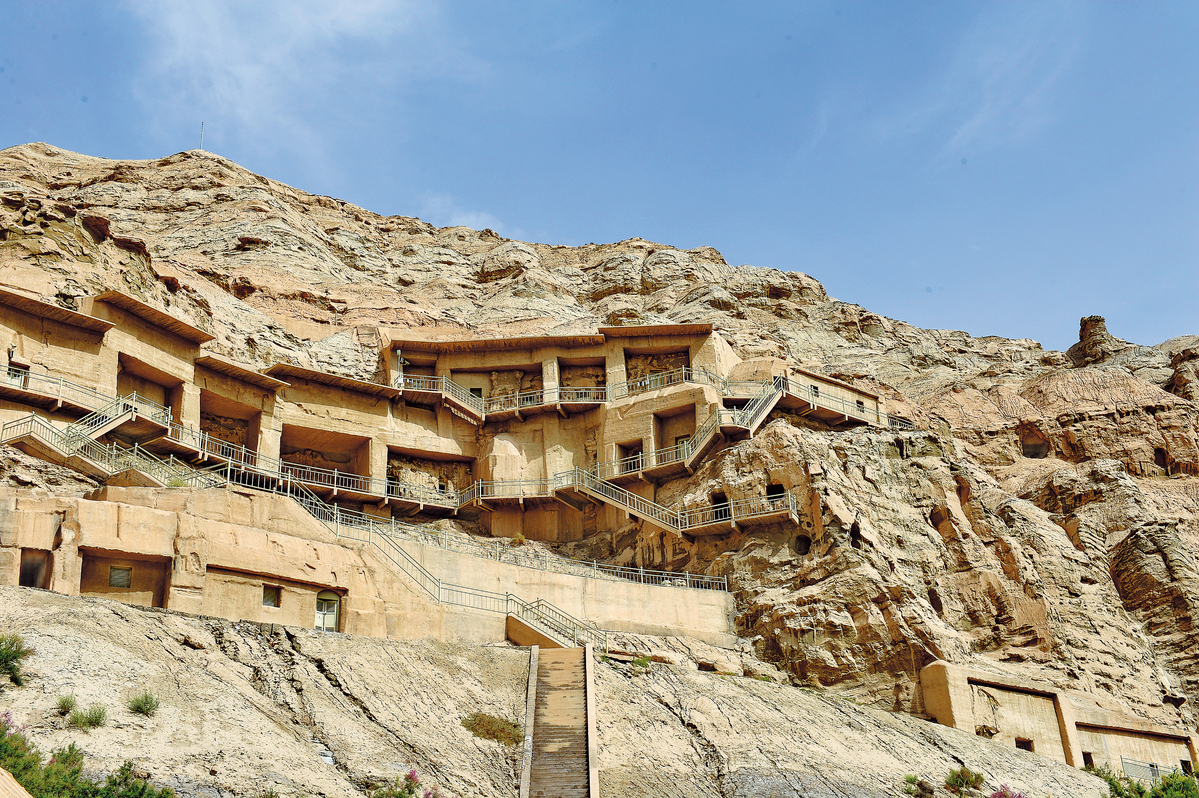
Kizil Caves
Introduction
The Kizil Caves, located in the Xinjiang Uygur autonomous region of China, are among the earliest-known Buddhist grotto temple sites in the country. These caves are a significant cultural and historical landmark, showcasing murals that date back to the 3rd to 9th centuries. They are part of the broader tapestry of ancient Chinese civilization, alongside other renowned grotto sites such as the Mogao Caves, Maijishan Grottoes, Longmen Grottoes, and Yungang Grottoes. The Kizil Caves are recognized for their artistic and architectural significance, as well as their role in cultural exchanges along the Silk Road.
History
Discovery and Early Exploration
The Kizil Caves were first identified as a site of historical importance due to their unique murals and architectural features. These caves are believed to be the earliest Buddhist grotto temple site in China, with origins tracing back to the 3rd century. Over time, the site attracted historians, archaeologists, and art enthusiasts who sought to study and preserve its cultural heritage. Many relics from the caves were taken to Europe during early explorations, highlighting the global interest in the site.
Historical Significance
The Kizil Caves hold immense historical significance as they represent the early introduction of Buddhist art and architecture to China via the Silk Road. The murals and sculptures found within the caves reflect the fusion of Eastern and Western artistic traditions, showcasing influences from Indian, Persian, and Central Asian cultures. These caves serve as a testament to the cultural and religious exchanges that occurred along the ancient trade routes.
Architecture
Layout and Design
The architectural layout of the Kizil Caves is characterized by their carved niches and chambers, which were designed to serve as places of worship and meditation for Buddhist monks. The caves are organized into various sections, each featuring intricate designs and structural elements that reflect the artistic and religious practices of the time. The spatial arrangement of the caves demonstrates advanced engineering techniques and a deep understanding of rock-cut architecture.
Artistic Features
The artistic features of the Kizil Caves include vibrant murals, detailed carvings, and sculptural elements that depict Buddhist themes and narratives. The murals are particularly notable for their use of mineral pigments, which create vivid colors and intricate details. These artistic elements not only serve as religious expressions but also provide insights into the cultural and social dynamics of the era.
Art and Iconography
Murals and Paintings
The murals in the Kizil Caves are among the most celebrated aspects of the site. They depict scenes from Buddhist scriptures, as well as daily life and cultural practices of the time. The use of yancaihua, or rock color painting, is a distinctive feature of these murals, showcasing a wide range of colors and glittering particles derived from mineral pigments. These paintings are a testament to the artistic innovation and craftsmanship of ancient Chinese painters.
Sculptures and Carvings
The sculptures and carvings within the Kizil Caves complement the murals, adding depth and dimension to the artistic narrative. These carvings often depict Buddhist deities, monks, and other religious figures, providing a three-dimensional representation of the themes illustrated in the murals. The intricate details and lifelike expressions of the sculptures highlight the skill and creativity of the artisans who created them.
Cultural Significance
The Kizil Caves are a cultural treasure that embodies the rich heritage of the Silk Road. They serve as a symbol of the cultural exchanges and integration that occurred between Eastern and Western civilizations. The site has been included in the UNESCO World Heritage List, underscoring its importance as a global cultural landmark. The murals and artistic elements found in the caves continue to inspire contemporary artists and scholars, preserving the legacy of ancient Chinese art and culture.
Preservation and Conservation
Preserving the Kizil Caves has been a challenging endeavor due to natural weathering, human activity, and the passage of time. The delicate nature of the murals and carvings requires specialized techniques to prevent further deterioration. Additionally, the remote location of the caves poses logistical challenges for conservation efforts.
Restoration efforts at the Kizil Caves have focused on maintaining the authenticity and integrity of the site. Advanced technologies and traditional methods have been employed to restore the murals and sculptures, ensuring their longevity for future generations. Collaborative projects with international institutions have also contributed to the preservation of this cultural heritage.
Tourism and Accessibility
The Kizil Caves are a popular destination for tourists and scholars interested in exploring the history and art of the Silk Road. Efforts have been made to improve accessibility to the site while ensuring its protection. Guided tours and educational programs provide visitors with insights into the cultural and historical significance of the caves, fostering a deeper appreciation for this ancient landmark.








